
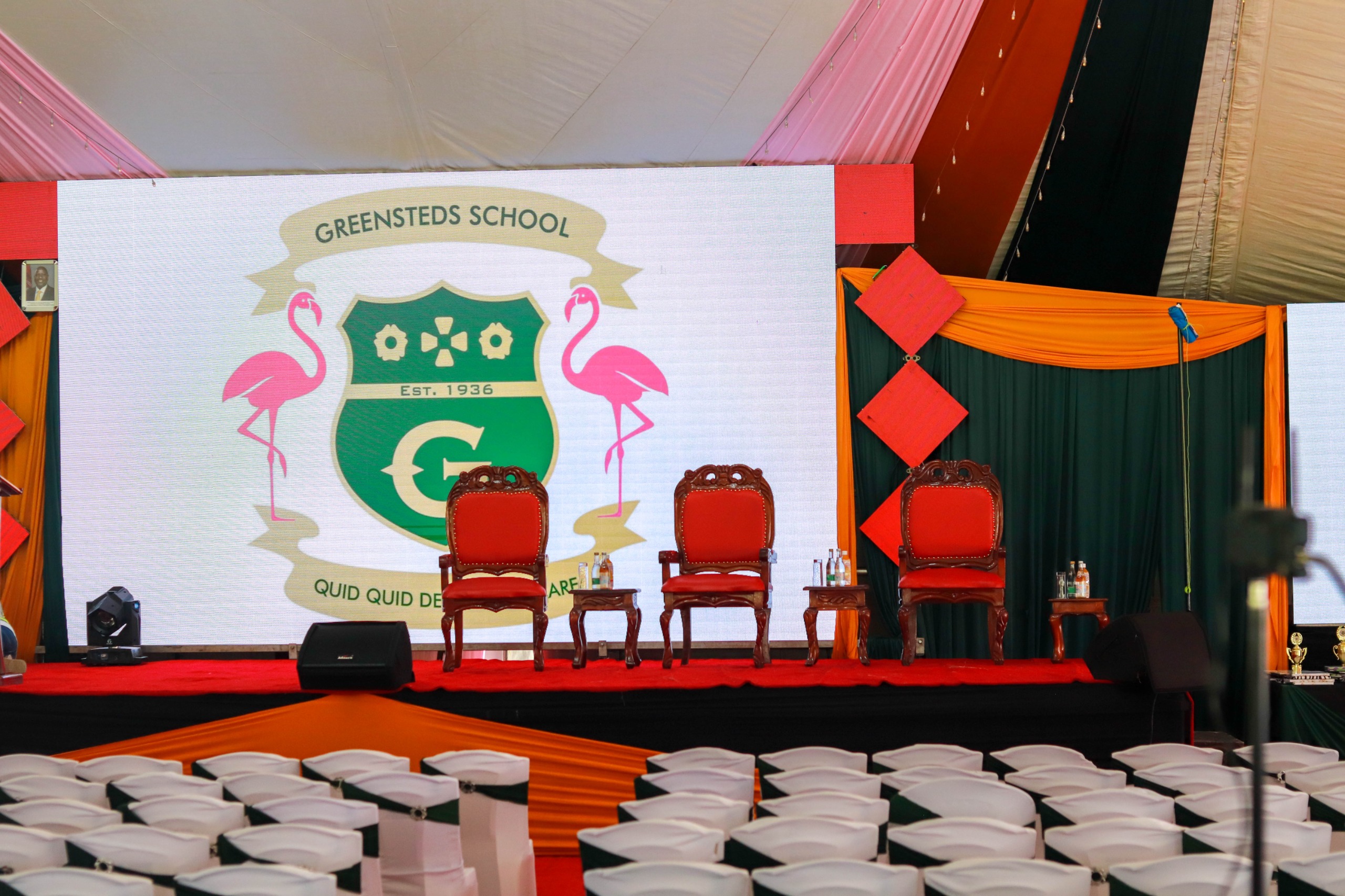
A stage is more than a raised platform. It is the visual centre of your event, the place where speeches are delivered, performances happen, awards are presented, guests are photographed, and your brand or message is seen.
Whether you are planning a corporate event, school graduation, church conference, concert, wedding, NGO forum or private celebration, choosing the right stage setup can greatly affect visibility, safety, comfort and overall event experience.
In Kenya, many events take place in outdoor venues, school fields, hotel gardens, church compounds, conference grounds and open-air spaces. This means the stage must be planned carefully based on the venue, audience size, programme, weather, performers, LED screen placement and guest arrangement.
At Gee Events & Entertainment, we help clients choose the right event stage setup in Kenya by looking at the full event picture — not just the stage size, but also sound, lighting, LED screens, VIP seating, tents, guest flow and technical coordination.
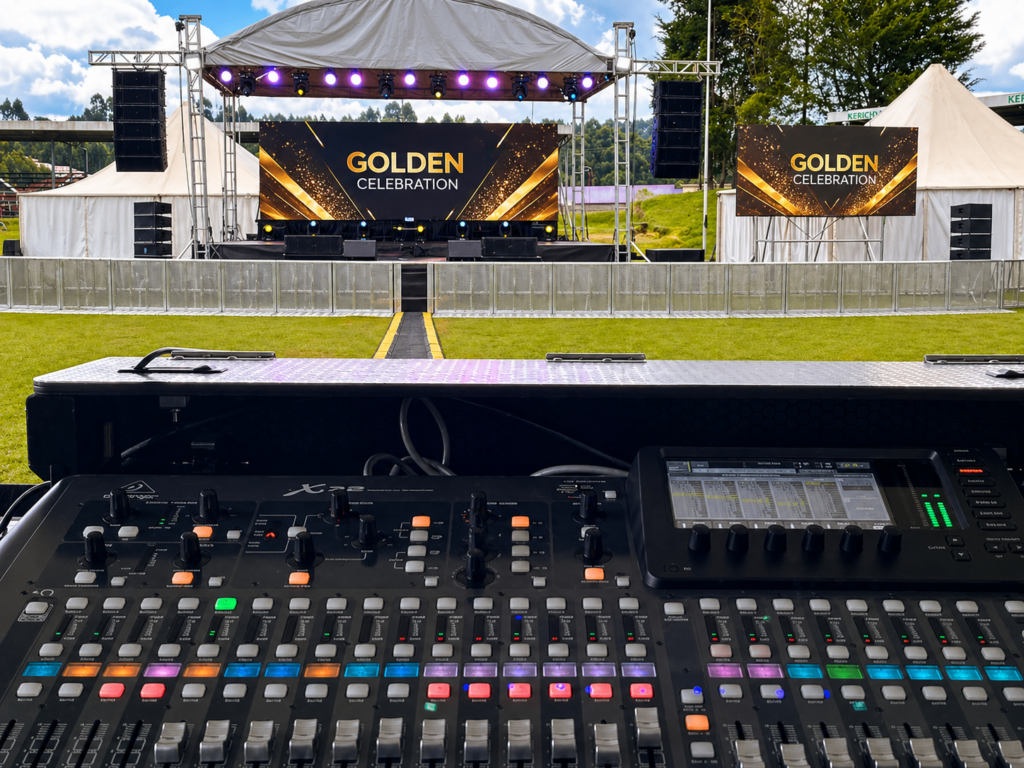
Why Stage Design Affects Visibility and Guest Experience
A well-designed stage makes the event feel organized, professional and easy to follow.
When the stage is too small, it can look crowded. Speakers, performers, MCs, panelists, instruments, décor and branding may compete for space. This affects movement, photos and the overall appearance of the event.
When the stage is too low, guests at the back may struggle to see what is happening. This is especially important for graduations, conferences, concerts, church events and large outdoor gatherings.
When the stage is too high or poorly positioned, it can feel disconnected from the audience. It may also affect camera angles, speaker placement, lighting and screen visibility.
Good stage design helps with:
- Clear visibility for the audience
- Better photos and video coverage
- Smooth movement for speakers and performers
- Professional event presentation
- Stronger brand visibility
- Safer technical setup
- Better coordination with sound, lighting and LED screens
For premium events, the stage should not look like an afterthought. It should support the entire event experience.
Common Types of Stage Setups
Different events require different stage designs. The right setup depends on the purpose of the event, the number of people on stage, the audience size and the level of production required.
Corporate Stage Setup
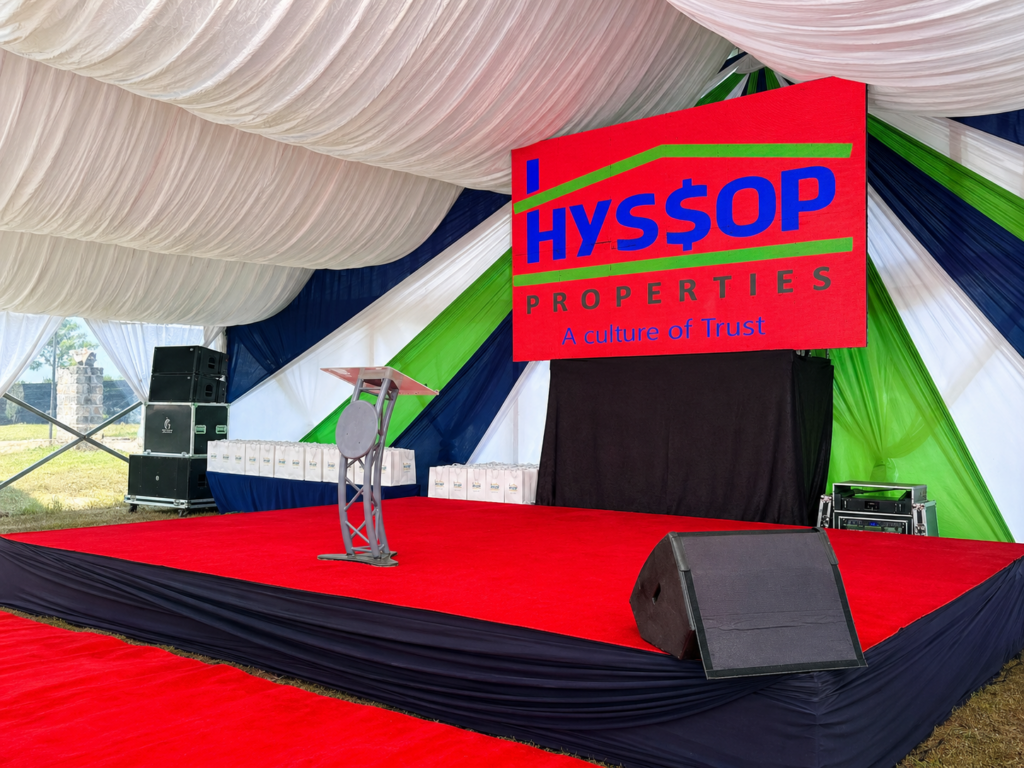
Corporate events need a clean, professional and branded stage. This setup is common for AGMs, conferences, product launches, award ceremonies, panel discussions and executive meetings.
A corporate stage may include:
- Branded backdrop
- LED screen or presentation display
- Podium
- Comfortable panel seating
- Executive chairs
- Stage lighting
- Microphones
- Clear walkways
- Camera-friendly arrangement
For corporate clients, the stage should communicate professionalism, confidence and order.
Graduation Stage Setup
Graduation and school events need a stage that supports movement, visibility and ceremony flow.
A graduation stage may need space for:
- School leadership
- Guest speakers
- Award presentation
- Students receiving certificates
- Photography
- Choir or performance groups
- VIP seating
- LED screens for visibility
For international schools, colleges and institutions, the stage must look polished and dignified while also being practical for movement.
Concert Stage Setup
Concerts need a stronger and more performance-focused stage design.
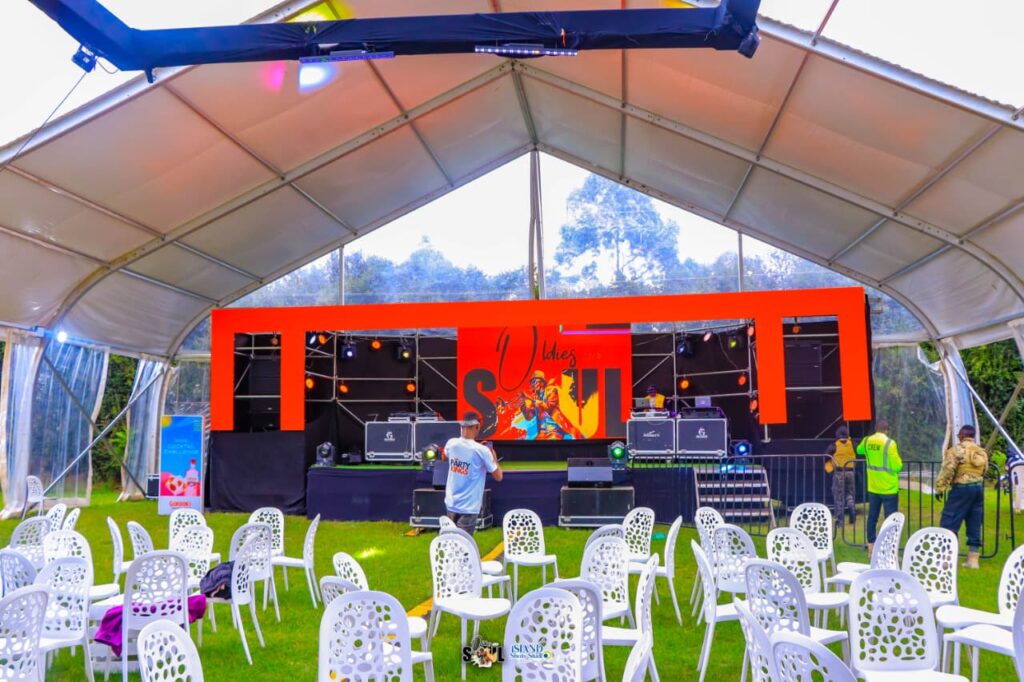
A concert stage may include:
- Larger performance area
- Strong sound system integration
- Truss and lighting structure
- LED screens
- Backline space
- DJ or band setup
- Artist entrance and exit points
- Monitor speakers
- Safety barriers where necessary
For clients looking for concert stage hire in Nakuru or across Kenya, it is important to work with a team that understands performance energy, crowd visibility and technical requirements.
Wedding Stage Setup
Wedding stages are usually designed for beauty, elegance and photography.
A wedding stage may include:
- Couple seating
- Floral or décor backdrop
- Soft lighting
- Raised platform
- LED screen if needed
- Space for speeches or entertainment
- Stylish seating arrangement
The goal is to create a stage that feels beautiful, intimate and memorable without overpowering the rest of the wedding setup.
Church and Conference Stage Setup
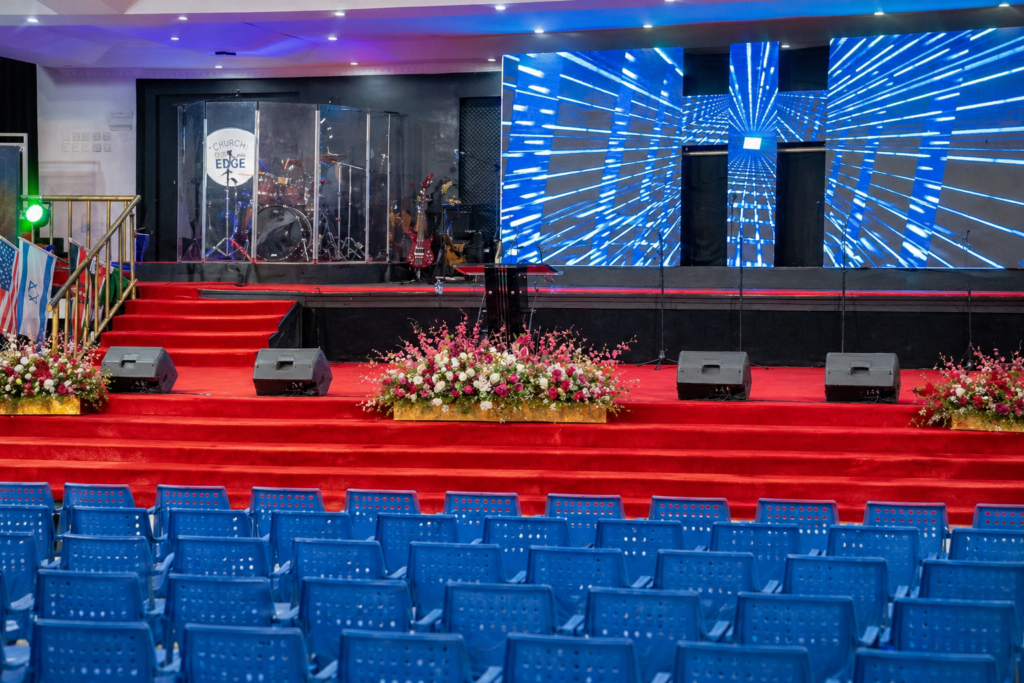
Church services, crusades, worship nights and conferences require a stage that supports speakers, worship teams, instruments, screens and movement.
This setup may include:
- Worship team area
- Pulpit or podium
- Microphone positions
- Musical instruments
- LED screens
- Stage lighting
- Camera/livestream angles
- Space for ministers or panelists
For church and conference events, clarity, movement and technical coordination are very important.
What Determines the Right Stage Size?
There is no one-size-fits-all stage for every event. The best stage size depends on several factors.
1. Audience Size
The larger the audience, the more visible the stage needs to be.
A small private event may only need a modest raised platform. A school graduation, concert, church gathering or public event may need a wider and higher stage so guests at the back can see clearly.
Audience size affects:
- Stage height
- Stage width
- Screen placement
- Speaker positioning
- Lighting coverage
- Camera angles
- Tent and seating layout
Before hiring a stage, always estimate how many people will attend.
2. Venue Layout
The venue plays a major role in stage planning.
An indoor ballroom, school field, church compound, hotel garden and open-air concert ground all require different setups.
Important venue questions include:
- Is the event indoor or outdoor?
- Is the ground level and stable?
- Where will guests sit?
- Where is the best stage position?
- Is there enough space behind the stage?
- Will tents affect stage height?
- Where will sound, lighting and LED screens be placed?
- Is there enough access for setup and equipment movement?
A site visit is highly recommended for larger events.
3. Number of People on Stage
The stage must comfortably accommodate everyone who will use it.
This may include:
- Speakers
- MCs
- Panelists
- Performers
- Choirs
- Worship teams
- Award recipients
- School leadership
- VIP guests
- Camera crew
- Technical support
A crowded stage can look unprofessional and may create safety risks.
4. Performers and Event Activity
Events with active movement need more stage space.
A corporate speech may need a simple stage. A concert, cultural performance, dance, worship event or school production needs a wider and stronger setup.
For performance-based events, the stage must allow movement without affecting microphones, instruments, monitors, lighting stands or LED screen structures.
5. VIP Presence
If your event has VIP guests, dignitaries, executives, board members, school leadership or government officials, the stage layout should reflect that level of importance.
VIP stage planning may include:
- Executive seating
- Clear entry and exit
- Safe steps
- Proper spacing
- Professional backdrop
- Good lighting
- Clear visibility
- Security-friendly layout
A premium VIP setup should look organized, elegant and respectful.
6. LED Screen Placement
LED screens are now a major part of event stage setup in Kenya.
If you plan to use LED screens, the stage design must consider:
- Screen size
- Screen height
- Screen support structure
- Distance from audience
- Visibility from different angles
- Speaker placement
- Lighting position
- Branding content
- Camera feed or presentation display
LED screens should not block movement or make the stage feel overcrowded. They should support the event visually.
Safety and Structure Considerations
Stage safety should never be ignored.
A stage may look simple from the outside, but it must be strong, stable and suitable for the event activity. This is especially important for concerts, graduations, church events, public functions and events with many people moving on and off stage.
Key safety considerations include:
- Stable stage platform
- Strong support structure
- Proper stage height
- Safe steps
- Level ground
- Weight capacity
- Weather conditions
- Cable management
- Lighting and screen support
- Secure backstage area
- Controlled access to technical zones
For outdoor events, weather should also be considered. Rain, wind, uneven ground and power access can affect the setup. A professional production team will plan for these risks early.
Questions to Ask Before Hiring a Stage
Before choosing a stage hire company in Kenya, ask the right questions.
Here are some important ones:
- What stage size do you recommend for my audience size?
- Is the stage suitable for indoor or outdoor use?
- How many people can safely be on the stage?
- Can the stage support LED screens and lighting?
- Do you provide stage roofing or truss if needed?
- Will the stage work with my tent and seating layout?
- Do you provide sound, lighting and screen coordination too?
- Do you do a site visit before setup?
- How early will the team arrive for installation?
- Who will supervise the stage setup on event day?
These questions help you avoid last-minute surprises.
Why Work With One Event Production Partner?
Stage setup does not work in isolation.
The stage affects the sound.
The sound affects the audience experience.
The LED screens affect visibility.
The lighting affects photos and mood.
The seating affects guest comfort.
The tent affects height and layout.
This is why it is better to work with one event production partner who understands the full setup.
When one team handles stage, sound, lighting, LED screens, seating and technical coordination, the event becomes easier to manage. Communication is clearer, setup is faster and accountability is stronger.
For clients searching for stage hire in Nakuru, stage setup Kenya or full event production support, Gee Events & Entertainment provides more than equipment. We provide planning, coordination and execution.
How Gee Events Helps You Choose the Right Stage Setup
Gee Events & Entertainment supports corporate, school, NGO, church, wedding, concert and private events with professional stage setup and full event production services.
We help you plan:
- The right stage size
- The right stage height
- The best stage position
- LED screen placement
- Sound and lighting integration
- VIP seating arrangement
- Tent and audience layout
- Technical team coordination
- Setup and breakdown schedule
Whether you need a simple corporate stage, a graduation stage, a concert stage, a church conference setup or a premium event platform, our team can recommend a layout based on your venue, audience size and event programme.
Planning an Event in Kenya or Nakuru?
The right stage can make your event look professional, organized and memorable.
Before you hire a stage, think beyond size alone. Consider visibility, safety, audience experience, lighting, sound, LED screens, VIP movement and the overall flow of the event.
If you are planning a corporate event, school function, concert, wedding, church event or NGO gathering, Gee Events & Entertainment can help you choose the right stage layout.