
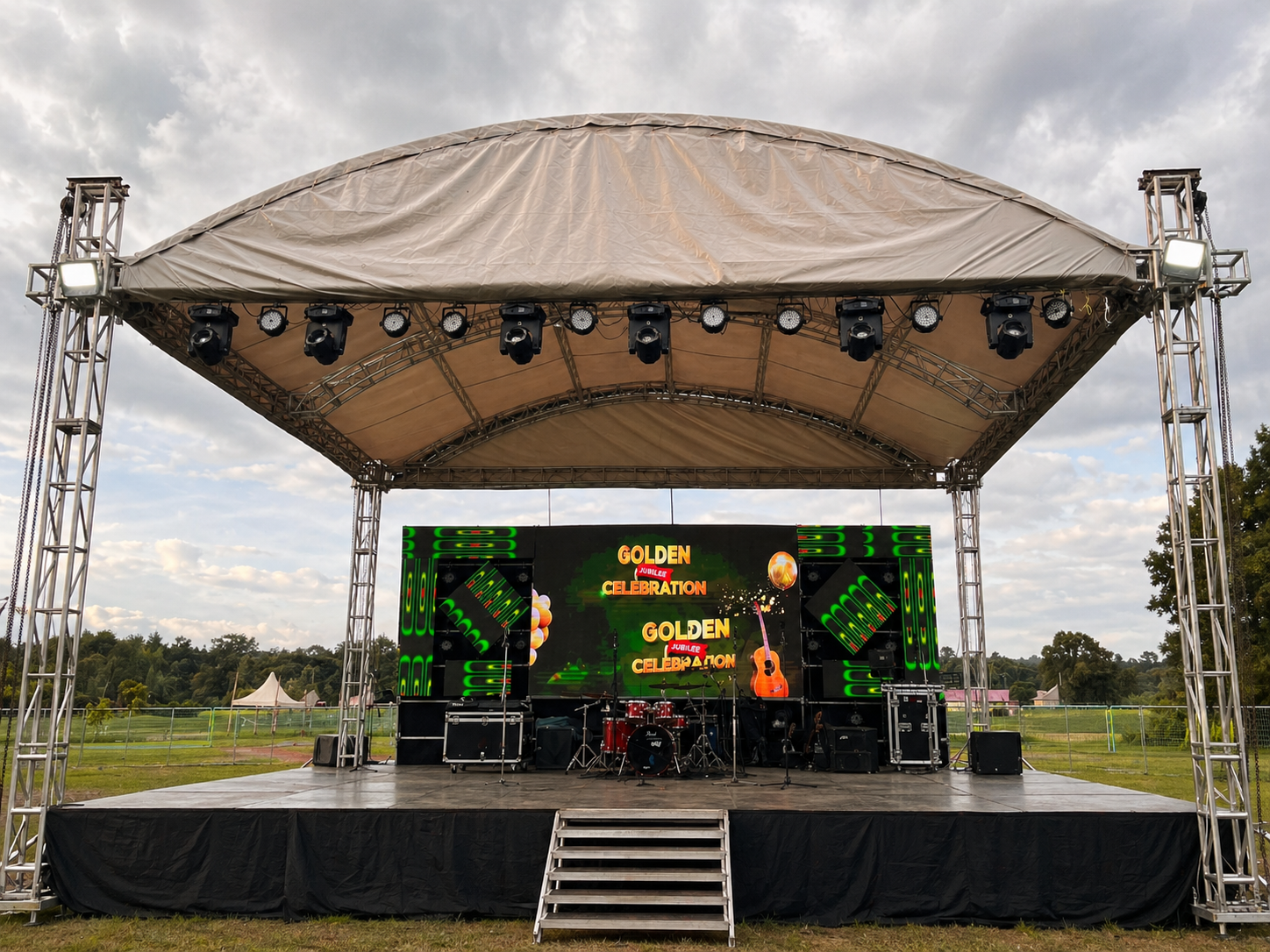
Choosing the right display option can make a big difference in how your audience experiences your event.
For corporate meetings, conferences, school events, weddings, church services, concerts, NGO forums and outdoor functions, clients often ask one common question:
Should we use LED screens or projectors?
Both options can work well, but they are not the same. The best choice depends on your event type, venue, audience size, lighting conditions, content, budget and level of visual impact you want to create.
In Kenya, where many events happen in hotel ballrooms, school halls, church compounds, gardens, open fields and outdoor venues, display planning is very important. A screen that works perfectly indoors may not work well outdoors. A projector that is suitable for a boardroom may not be strong enough for a large graduation or public event.
At Gee Events & Entertainment, we help clients choose the right display solution based on visibility, venue conditions, audience experience and overall event production needs.
The Main Difference Between LED Screens and Projectors
The biggest difference between LED screens and projectors is how they display images.
A projector sends light onto a projection surface, such as a projector screen, wall or backdrop. The image depends heavily on the projector brightness, room lighting and quality of the projection surface.
An LED screen, also known as an LED wall, is made up of LED panels that produce their own light. This makes LED screens brighter, clearer and more visible, especially in environments with strong lighting or large audiences.
In simple terms:
Projectors need a good surface and controlled lighting.
LED screens create their own brightness and are easier to see in many event conditions.
This is why LED screens are becoming more popular for modern events in Kenya, especially where visibility, branding and professional presentation matter.
Best Option for Indoor Conferences
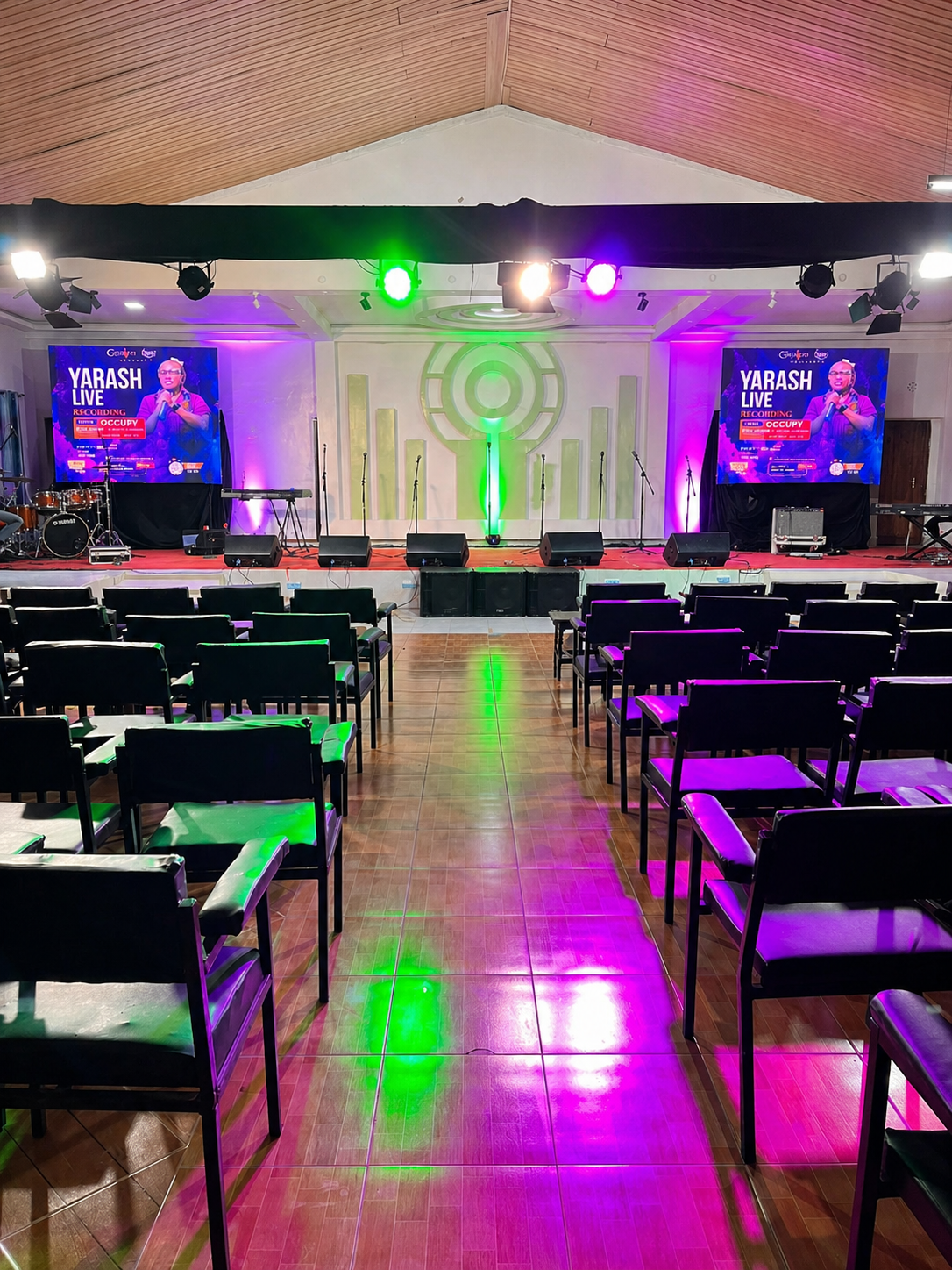
For indoor conferences, both projectors and LED screens can work depending on the venue and event expectations.
A projector may work well for:
- Small boardroom meetings
- Training sessions
- Indoor seminars
- Small workshops
- Low-budget presentations
- Dark or controlled-light rooms
- Smaller audiences seated close to the screen
If the venue is dark enough and the audience is not too far from the screen, a projector can display slides, videos and basic presentation content clearly.
However, for premium corporate conferences, AGMs, product launches and large indoor events, LED screens often give a better result.
LED screens are better for indoor events where you need:
- Stronger visual impact
- Clear sponsor branding
- Better visibility from the back of the room
- Brighter display under event lighting
- High-quality video playback
- Live camera feed
- Professional stage appearance
- A more modern event setup
For corporate clients, the display is part of the brand experience. If your event includes executives, partners, sponsors, media coverage or VIP guests, an LED screen can make the event look more polished and professional.
Best Option for Outdoor Events
For outdoor events in Kenya, LED screens are usually the better option.
Outdoor venues often have sunlight, open-air lighting, large crowds and long viewing distances. These conditions can make projectors difficult to use, especially during daytime or early evening events.
Projectors can struggle outdoors because:
- Sunlight reduces image visibility
- Bright environments wash out the projection
- Wind can affect projector screens
- Large audiences may not see the image clearly
- The projection surface must be carefully positioned
- The setup works best only when it is dark
LED screens perform better outdoors because they are brighter and more visible. They are especially useful for:
- Graduations
- Concerts
- Church crusades
- Outdoor weddings
- School events
- Public gatherings
- Sports events
- Government events
- NGO events
- Brand activations
- Large corporate functions
For outdoor events, an LED screen helps guests at the back see what is happening on stage, follow speeches, view live camera feed and engage with event visuals.
If your event is outdoors and visibility matters, LED screens are usually the safer and more professional choice.
Visibility, Brightness and Audience Distance
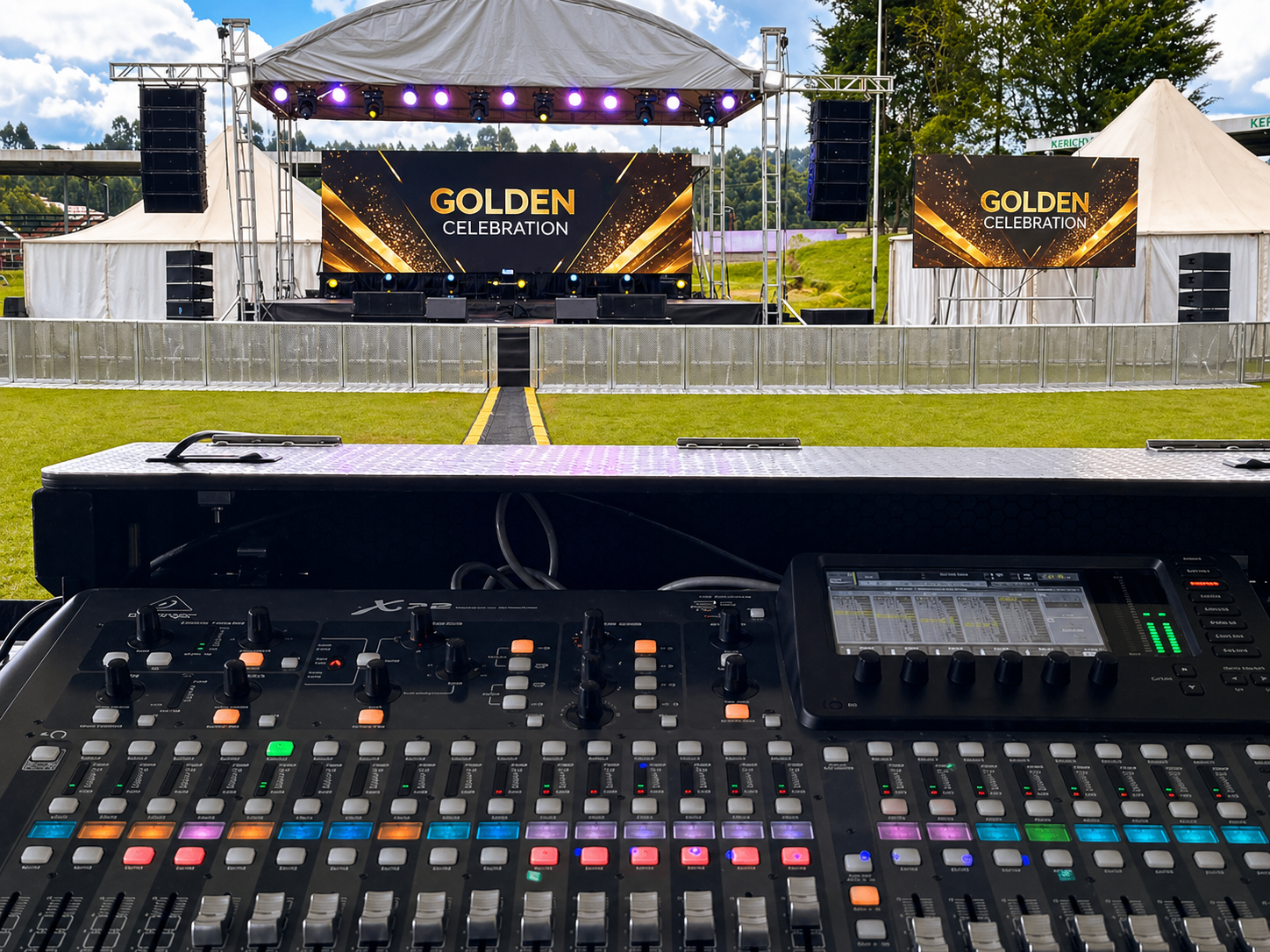
Visibility is one of the most important factors when choosing between LED screens and projectors.
A display may look good from the front row but fail for guests seated at the back. This is a common problem in large events.
Projector Visibility
Projectors work best when:
- The room is dark or controlled
- The audience is close to the screen
- The screen surface is clean and bright
- The content has large text
- There is minimal lighting on the projection area
Projectors may struggle when:
- The room is too bright
- There is direct sunlight
- The audience is far away
- The projector is not powerful enough
- The content has small text
- The projection surface is poor
This is why a projector for a conference in Kenya may work well in a hotel meeting room but not necessarily in an outdoor graduation or large church compound.
LED Screen Visibility
LED screens are stronger for visibility because they produce their own light.
They work well when:
- The audience is large
- The event has stage lighting
- The venue is bright
- The screen must be seen from a distance
- Content includes videos, slides, logos or live feed
- The event needs a premium visual setup
LED screens also allow for different screen sizes and layouts. You can use one central LED wall, side screens, vertical screens or custom display arrangements depending on the event design.
Cost and Setup Considerations
Cost is another important factor when comparing LED screens and projectors.
In most cases, projectors are more affordable for smaller indoor events. They require fewer panels, less structural support and a simpler setup.
Projectors may be cost-effective for:
- Small meetings
- Training sessions
- Boardroom presentations
- Workshops
- Short indoor conferences
- Events with controlled lighting
However, projectors can become less practical when the event grows larger or moves outdoors. You may need a stronger projector, bigger screen, better projection surface, darker environment and more careful positioning.
LED screens usually cost more than projectors, but they offer stronger value for events where visibility, quality and audience experience are important.
LED screen cost may depend on:
- Screen size
- Indoor or outdoor use
- Resolution
- Event duration
- Technical team
- Transport
- Support structure
- Live feed requirements
- Content playback needs
- Setup complexity
For premium events, LED screens may be worth the investment because they improve the overall event appearance and reduce visibility problems.
The cheapest display option is not always the best option. The better question is:
Will the audience see the content clearly and experience the event properly?
When to Choose LED Screens
LED screens are the better choice when you want strong visibility, premium presentation and professional event impact.
Choose LED screens for:
- Outdoor events
- Large audiences
- Corporate AGMs
- Conferences with sponsors
- Product launches
- Concerts
- Graduations
- Church events
- Weddings with visual displays
- Government events
- NGO forums
- Brand activations
- Events with live camera feed
- Events with professional photography or video coverage
LED screens are also ideal when you want your event stage to look modern, organized and high-value.
They help display:
- Event branding
- Sponsor logos
- Speaker names
- Presentation slides
- Videos
- Livestream feeds
- Live camera feed
- Worship lyrics
- Graduation details
- Product visuals
- Countdown timers
- Social media handles
- Event messages
For clients searching for a LED screen for events in Kenya, the most important thing is to choose the right size, placement and technical support based on the venue and audience.
When Projectors May Still Work
Projectors are still useful in some situations.
They may work well for:
- Small indoor meetings
- Training rooms
- Boardroom presentations
- Classroom-style sessions
- Workshops
- Budget-conscious indoor events
- Venues with controlled lighting
- Short presentations
- Small audience conferences
A projector is a practical option when the audience is close, the room is dark enough and the content does not require a high-impact visual display.
For example, a small indoor conference with 30 to 80 guests may not always need a large LED wall. A good projector and screen setup may be enough.
However, if the event has strong lighting, many guests, VIPs, photographers, sponsors or live streaming, an LED screen may deliver a better result.
LED Screens vs Projectors: Quick Comparison
| Feature | LED Screens | Projectors |
|---|---|---|
| Best for | Large, outdoor and premium events | Small indoor events |
| Brightness | Very strong | Depends on projector and room lighting |
| Outdoor use | Excellent | Limited, especially during daytime |
| Visual impact | Premium and modern | Basic to professional depending on setup |
| Audience distance | Better for large audiences | Better for closer audiences |
| Live feed | Very suitable | Possible, but depends on setup |
| Cost | Usually higher | Usually lower |
| Setup needs | Technical team and structure | Projector, screen and controlled lighting |
| Branding | Strong visibility | Moderate visibility |
| Best event examples | Concerts, graduations, AGMs, outdoor events | Meetings, workshops, indoor conferences |
How to Choose the Right Option for Your Event
Before deciding between LED screens and projectors, ask yourself these questions:
- Is the event indoor or outdoor?
- How many guests are expected?
- Will the room be bright or dark?
- How far will the audience sit from the display?
- Will you show slides, videos, logos or live feed?
- Do you have sponsors or brand partners to display?
- Is the event formal, premium or high-profile?
- Will there be photography, livestreaming or media coverage?
- What is your budget?
- Do you need one screen or multiple screens?
If the event is small, indoor and simple, a projector may work.
If the event is large, outdoor, premium or visually important, LED screens are usually the better choice.
Why Work With a Professional Display Partner?
Choosing between LED screens and projectors is not only about equipment. It is about understanding the full event setup.
Your display choice affects:
- Stage design
- Seating layout
- Lighting
- Sound coordination
- Camera placement
- Livestreaming
- Branding
- Guest visibility
- Content preparation
- Technical support
A professional audiovisual company will help you avoid common mistakes such as choosing a screen that is too small, using a projector in a bright venue, placing the display too low or forgetting live feed requirements.
At Gee Events & Entertainment, we provide display solutions as part of full event production. This means we can help you coordinate LED screens, projectors, stage setup, sound, lighting, livestreaming, seating and technical crew.
Talk to Gee Events for the Right Display Solution
The best display option depends on your event goals.
Projectors are practical for smaller indoor meetings and controlled spaces. LED screens are better for large audiences, outdoor venues, high-impact branding and professional event experiences.
If you are planning a corporate event, conference, graduation, concert, wedding, church event, NGO forum or private function in Kenya, our team can help you choose the right display setup.
Talk to Gee Events for the right display solution for your event.